
A Beginner’s Guide to Stretching at Home for Better Flexibility
Stretching is a simple yet powerful way to improve your flexibility, reduce muscle tension, and enhance your overall well-being. You don’t need a gym or special equipment—just a little space at home and some time. This beginner’s guide will walk you through everything you need to know to start stretching safely and effectively.
Why Stretch at Home?
Stretching at home offers several benefits:
– Convenience: No need to travel or schedule appointments.
– Cost-effective: No gym membership or equipment required.
– Customizable: Adjust routines to match your needs and schedule.
– Relaxation: Helps reduce stress and improve mental clarity.
Understanding the Basics of Stretching
Before you dive in, it helps to know some basic principles to stretch safely:
Types of Stretching
– Static stretching: Holding a stretch for 15-60 seconds to lengthen muscles.
– Dynamic stretching: Controlled, gentle movements that warm up muscles.
– Ballistic stretching: Uses bouncing movements—generally not recommended for beginners.
– PNF stretching: Involves contract-relax cycles, usually with a partner.
For beginners, static and dynamic stretches are the safest and most effective.
When to Stretch?
– Before exercise: Dynamic stretches help warm up your muscles.
– After exercise: Static stretches help relax muscles and improve flexibility.
– Anytime: Gentle stretching can relieve tension and enhance comfort.
Preparing for a Stretching Session
Create a Comfortable Space
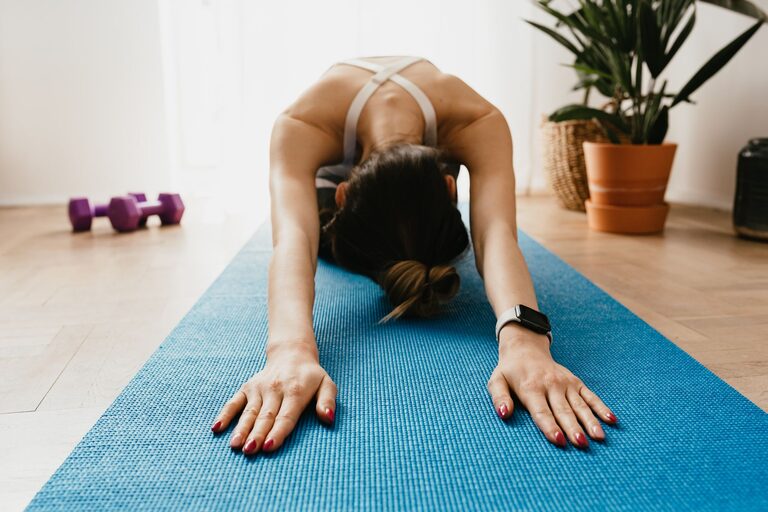
Find a quiet area with enough room to move freely. Use a yoga mat or soft carpet to cushion your joints.
Dress Appropriately
Wear comfortable clothing that allows movement without restriction.
Warm Up First
Stretching cold muscles can cause injury. Spend 3-5 minutes doing light cardio like walking or marching in place to increase blood flow.
Basic Stretching Routine for Beginners
Here’s a simple, beginner-friendly stretching routine that targets major muscle groups. Hold each static stretch for 20-30 seconds, and repeat 2-3 times. Breathe deeply and avoid bouncing.
1. Neck Stretch
– Sit or stand tall.
– Tilt your head gently to one side, bringing your ear toward your shoulder.
– Use your hand to apply gentle pressure if needed.
– Repeat on the other side.
2. Shoulder Stretch
– Bring your right arm across your chest.
– Use your left hand to press your arm closer to your chest.
– Hold, then switch arms.
3. Triceps Stretch
– Reach your right arm overhead and bend the elbow so your hand touches your upper back.
– Use your left hand to gently push your elbow.
– Switch arms.
4. Chest Stretch
– Clasp your hands behind your back.
– Straighten your arms and lift your chest.
– Keep your shoulders down and hold.
5. Side Stretch
– Stand with your feet shoulder-width apart.
– Reach your right arm overhead and lean to the left.
– Feel the stretch along your side.
– Switch sides.
6. Hamstring Stretch
– Sit on the floor with your legs extended.
– Reach forward toward your toes without bouncing.
– Keep your back straight.
– If needed, use a towel around your feet to assist.
7. Quadriceps Stretch
– Stand and balance on your left leg.
– Grab your right ankle behind you with your right hand.
– Pull gently towards your glutes.
– Switch legs.
8. Calf Stretch
– Stand facing a wall.
– Place your hands on the wall.
– Step back with one foot, keeping it straight and heel on the ground.
– Lean forward slightly.
– Switch sides.
Tips for Effective Stretching
– Be consistent: Aim to stretch several times a week for the best results.
– Avoid pain: Stretch to the point of mild tension, never sharp pain.
– Breathe normally: Don’t hold your breath.
– Stay relaxed: Keep muscles loose during stretches.
– Hydrate: Drink water before and after stretching.
Common Mistakes to Avoid
– Skipping warm-up: Stretching cold muscles can lead to injury.
– Bouncing: Can cause muscle strains.
– Holding breath: Reduces oxygen flow and can cause tension.
– Overstretching: Leads to soreness or injury.
– Ignoring pain signals: Always listen to your body.
When to Seek Professional Advice
If you have pre-existing conditions, injuries, or chronic pain, it’s a good idea to consult a healthcare professional before starting a stretching routine.
Additional Resources
For those interested in expanding their practice:
– Try beginner yoga videos online.
– Explore guided stretching apps.
– Join virtual classes focusing on flexibility.
Final Thoughts
Starting a stretching routine at home is accessible and rewarding. With just a few minutes daily, you can improve your flexibility, reduce stiffness, and feel more relaxed throughout the day. Remember to be patient—flexibility takes time to build, but the benefits are well worth the effort.
Happy stretching!
