How to Store Seasonal Clothes Efficiently for a Clutter-Free Home
Storing seasonal clothes efficiently is a smart way to keep your living space organized and free from clutter. Whether you’re packing away bulky winter coats or lighter summer dresses, proper storage techniques can help preserve your garments and make it easier to access them when the season returns. In this guide, we’ll explore practical tips and methods to store your seasonal clothes effectively.
Why Efficient Seasonal Clothing Storage Matters
Seasonal clothes often take up a lot of space, and if stored carelessly, they can become wrinkled, damaged, or even develop odors. Efficient storage not only saves space but also helps protect your clothes from dust, pests, and moisture. Additionally, having an organized system means you spend less time searching for items when switching seasons.
Preparing Clothes for Storage
Before you pack away your clothes, preparation is key to maintaining their condition.
Clean Everything First
Always wash or dry clean clothes before storing. Dirt, oils, and sweat left on garments can attract moths and cause staining over time.
Repair and Mend
Check for loose buttons, broken zippers, or minor tears. Fixing these issues beforehand prevents further damage while clothes are stored.
Dry Completely
Make sure all clothes are fully dry to avoid mold and mildew growth. Humidity is a major enemy of stored fabrics.
Choosing the Right Storage Containers
Select containers that protect your clothes and fit well in your available space.
Plastic Bins with Tight-Fitting Lids
Clear plastic bins are great for visibility and protection against moisture and pests. Opt for bins with airtight lids that keep dust and bugs out.
Fabric Storage Bags
Breathable fabric bags let air circulate, which is ideal for garments that need to stay dry but shouldn’t be sealed tightly. These bags also reduce the risk of wrinkles.
Vacuum-Seal Bags
These bags save space by compressing bulky items like sweaters and coats. Use caution to avoid over-compressing delicate fabrics, as this can damage fibers.
Suitcases and Under-Bed Storage
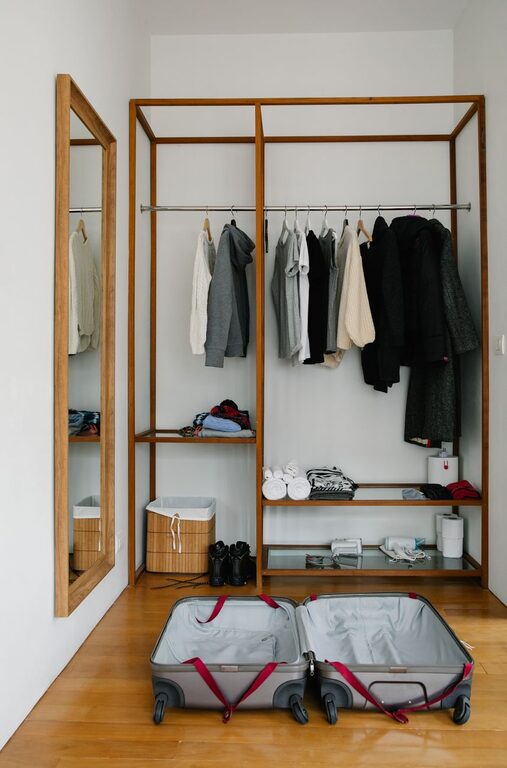
Use existing suitcases or under-bed storage boxes for efficient space usage. Just ensure the containers are clean and dry.
Storage Tips to Protect Your Clothes
Use Cedar or Lavender Sachets
Natural repellents like cedar blocks or lavender sachets keep moths away without harsh chemicals. Replace them regularly to maintain scent and effectiveness.
Avoid Plastic Bags for Long-Term Storage
Plastic bags trap moisture and can cause mildew. Instead, use breathable materials or sealed bins.
Store Clothes Flat or on Padded Hangers
Fold heavier items flat to avoid stretching. For dresses or suits, padded hangers prevent shoulder bumps and maintain shape.
Keep Storage Areas Clean and Dry
Choose a closet, attic, or basement area that’s cool, dry, and away from direct sunlight. Sunlight can fade fabrics, while humidity promotes mold.
Organizing Your Stored Clothing
Organizing your stored clothes makes it easier to find items and plan outfits.
Label Everything
Use labels on bins and bags describing contents (e.g., “Winter Sweaters” or “Summer Dresses”). This saves time when unpacking.
Categorize by Type and Frequency
Group clothes by type (pants, shirts, outerwear) or by how often you use them. Items you wear less frequently can be stored further away or in harder-to-reach spots.
Use Color-Coded Tags or Stickers
If you prefer a visual system, color-coded tags can help you quickly identify categories without reading labels.
Seasonal Rotation Tips
To make your transition between seasons smooth, establish a rotation routine.
– At the start of each season, swap out clothing in your main closet with the stored items.
– Take the opportunity to reassess what you need and consider donating clothes you no longer wear.
– Ensure stored clothes are aired out periodically to prevent stale odors.
Additional Tips for Specific Clothing Types
Wool and Cashmere
Fold and store wool and cashmere sweaters flat to maintain shape. Use cedar or lavender to repel moths.
Denim
Wash denim before storage to prevent odor. Fold and store in breathable bags.
Delicate Fabrics
Place delicate items in tissue paper to protect against snagging and use padded hangers or special storage boxes.
Shoes and Accessories
Clean shoes thoroughly and stuff them with paper to keep shape. Store in boxes or clear shoe organizers.
Conclusion
Efficiently storing your seasonal clothes can transform your closet and living space. By preparing garments properly, choosing suitable containers, and organizing thoughtfully, you’ll preserve your clothes’ quality and make seasonal wardrobe changes hassle-free. Start implementing these tips today for a clutter-free and organized home all year round!