
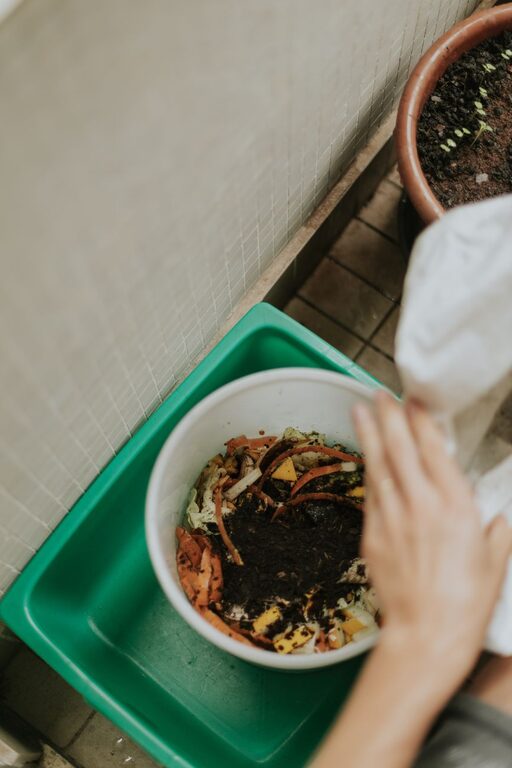
Beginner Tips for Composting at Home: Easy Steps to Get Started
Composting at home is a rewarding and environmentally friendly way to reduce waste while creating nutrient-rich soil for your garden. If you’re new to composting, the process might seem intimidating at first, but with a few simple tips, you can easily start turning kitchen scraps and yard waste into valuable compost. This guide will walk you through the basics and help you get started on your composting journey.
What Is Composting?
Composting is the natural process of recycling organic material, such as food scraps and yard waste, into a rich soil amendment called compost. Compost improves soil health by adding essential nutrients, enhancing moisture retention, and encouraging beneficial microorganisms.
Why Compost at Home?
– Reduces waste: Composting keeps organic waste out of landfills, reducing methane emissions.
– Improves soil: Your garden benefits from healthier, more fertile soil.
– Saves money: Compost reduces the need for chemical fertilizers.
– Supports sustainability: You contribute to a more sustainable lifestyle by recycling natural materials.
Getting Started: What You’ll Need
Before you begin, gather the following:
– A compost bin or designated compost area
– Browns (carbon-rich materials)
– Greens (nitrogen-rich materials)
– Water source
– Gardening tools (optional)
Choosing a Compost Bin
You can buy a compost bin or make your own. Common options include:
– Tumbler bins: Easy to turn and speed up composting.
– Stationary bins: Simple, cost-effective, and good for larger quantities.
– Open piles: No container needed but may attract pests.
Choose a spot in your yard that is well-drained and has good airflow.
Understanding Browns and Greens
Composting works best when you balance two types of materials:
– Browns (Carbon-rich): Dry leaves, straw, cardboard, paper, wood chips.
– Greens (Nitrogen-rich): Fruit and vegetable scraps, coffee grounds, grass clippings.
A good rule of thumb is to aim for about three parts browns to one part greens. This balance helps create heat and speeds up decomposition while preventing odors.
What You Can Compost at Home
Acceptable Items
– Fruit and vegetable scraps
– Coffee grounds and filters
– Eggshells
– Tea bags (without synthetic materials)
– Dry leaves and grass clippings
– Sawdust and wood chips (untreated wood)
– Shredded newspaper and cardboard
Avoid Composting
– Meat, dairy, and oily foods (attract pests)
– Pet waste
– Diseased plants
– Weeds with seeds
– Synthetic materials (plastics, metals)
Step-by-Step Composting Process
1. Prepare Your Compost Area
Place your bin in a partly shaded area with good drainage. If using a compost pile, clear the ground of any grass to improve airflow.
2. Layer Browns and Greens
Start with a layer of coarse browns to help with aeration. Then add greens, followed by more browns. Continue alternating layers.
3. Maintain Moisture
Your compost should be as damp as a wrung-out sponge. If it’s dry, add water or more green materials. If it’s too wet, add more browns.
4. Turn Your Compost
Aerate your compost by turning it with a garden fork or rotating a tumbler bin every 1-2 weeks. This introduces oxygen and speeds up decomposition.
5. Monitor and Adjust
– Smell: A healthy compost should have an earthy smell. A strong odor indicates excess moisture or too many greens.
– Temperature: A hot pile means active decomposition.
– Pests: Avoid attracting animals by not adding meat or oily scraps.
6. Harvest Your Compost
Compost is ready when it looks dark, crumbly, and smells earthy—usually after 2-6 months. Use it in your garden beds, potted plants, or lawn.
Tips for Successful Composting
– Chop or shred materials to speed up decomposition.
– Avoid adding large amounts of citrus or onion scraps, as they can slow the process.
– Use a compost thermometer if you want to monitor temperature.
– Keep a compost bin lid on to retain moisture and keep pests out.
– Be patient—composting is a natural process that takes time.
Troubleshooting Common Problems
| Problem | Possible Cause | Solution |
|——————–|—————————–|———————————-|
| Foul odor | Too much greens or moisture | Add browns and turn pile |
| Compost too dry | Not enough moisture | Add water and greens |
| Slow decomposition | Lack of airflow or nitrogen | Turn pile and add greens |
| Pests in compost | Meat or oily food scraps | Remove offending materials |
Alternative Composting Methods
If you don’t have outdoor space, consider these:
– Worm composting (vermicomposting): Use worms to break down food scraps indoors.
– Bokashi composting: Ferments food waste in an airtight container before adding it to soil.
Final Thoughts
Starting a compost pile at home is a simple and impactful way to reduce waste and improve your garden’s health. By understanding the basics and maintaining the right balance of materials, you’ll quickly become confident in creating your own rich compost. Remember, composting is a process with some trial and error, so don’t be discouraged if it takes a little practice.
Happy composting!
